Monday, August 14, 2006

THE LEGEND OF KID BUNTAL

Before the big war, Lolo Porong moved his family from Umingan to Sta. Ana, Manila then back to Umingan again. After the war, he moved back his family to Revillen Street in Sta. Ana from Santiago where they stayed during the war. A maestro carpentero, Lolo Porong worked in Guam after the big war until the mid-1950s, one of the Philippines’ original Bagong Bayani. The dollar remittances ensured a comfortable life for Loal Senang and the children. They lived in a two-story wooden house that they owned, and Lola Senang kept her own store at the Sta. Ana public market.

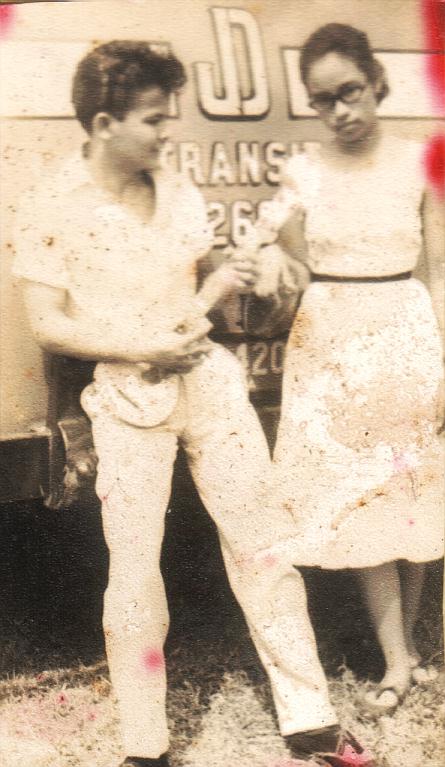
Kid Buntal spent much of his childhood and teenage life in Sta. Ana whose mean streets made him learn the art of boxing. It was the only sport that interested him and in our own childhood, we heard stories about boxing matches at the Luneta when it was still more of a forest than a park, and of a copy cat Lo-Waist Gang that engaged in fistfights and gunfights. Boxing would be later taught to me and my brother through two pairs of smelly boxing gloves, a sand bag hanging from a coconut tree, and a few rounds of sparring every day.
His oldest brother is Lilop who took up but did not finish a law course at the Manuel L. Quezon University. He married a neighbor, Mama Ched Caindoy of Samar, and their youngest son, Kuya Jerry, will be a frequent visitor in Bambang and Almaguer. Lilop worked as foreman for the Manila City government. He died 10 years after he retired.

Auntie Angeling, the second eldest, enrolled in a Bachelor of Arts course at the Centro Escolar University but got married before completing college. Her husband is Domingo “Uncle Doming” Miranda of Bambang, Nueva Vizcaya whom she met during a fiesta in Sampaloc. Only Kid Buntal attended their wedding because Lolo Porong and Lola Senang did not approve of Uncle Doming. They said that being an Ilocano, Uncle Doming is kuripot and won’t be able to give Auntie Geling a comfortable life. But she will become the richest among her siblings and build one of the biggest house in Bambang. She died in 2006.


Only Auntie Loleng did not attend college. She was the lost child of Lolo Porong and Lola Senang having spent most of her life with Lola Senang’s sister in Santiago as a paalaga. She married Uncle Marcelo “Selo” Salatan, a distant relative, and settled in Agbannawag in Santiago, where Kid Buntal will spend some of his younger days. When Kid Buntal got married, Auntie Loleng gave a cow for the padaya that was held in Auntie Angeling's big house. We heard shed died before Auntie Geling.

Kid Buntal completed his elementary and secondary educations at the Sta. Ana Catholic School and the Calderon High School, respectively, where he distinguished himself as an honor student and a student leader. He took up law at the Far Eastern University but did not finish college because of barkada. He is known in Sta. Ana as a siga, and his mean fists earned him the moniker of Kid Buntal. There was a story that their friend Diomedes Maturan always win in singing competitions because their gang threatened the judges.


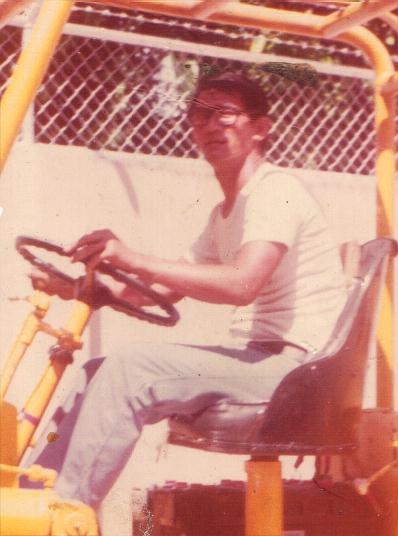
He will later join Lolo Porong in Davao, then Bambang where he became a member of another copy cat gang --- the local Pitong Gatang. All of Kid Buntal’s Lo-Waist and Pitong Gatang gang died violent deaths. Except him because as Lola Senang said, he got married to an angel.

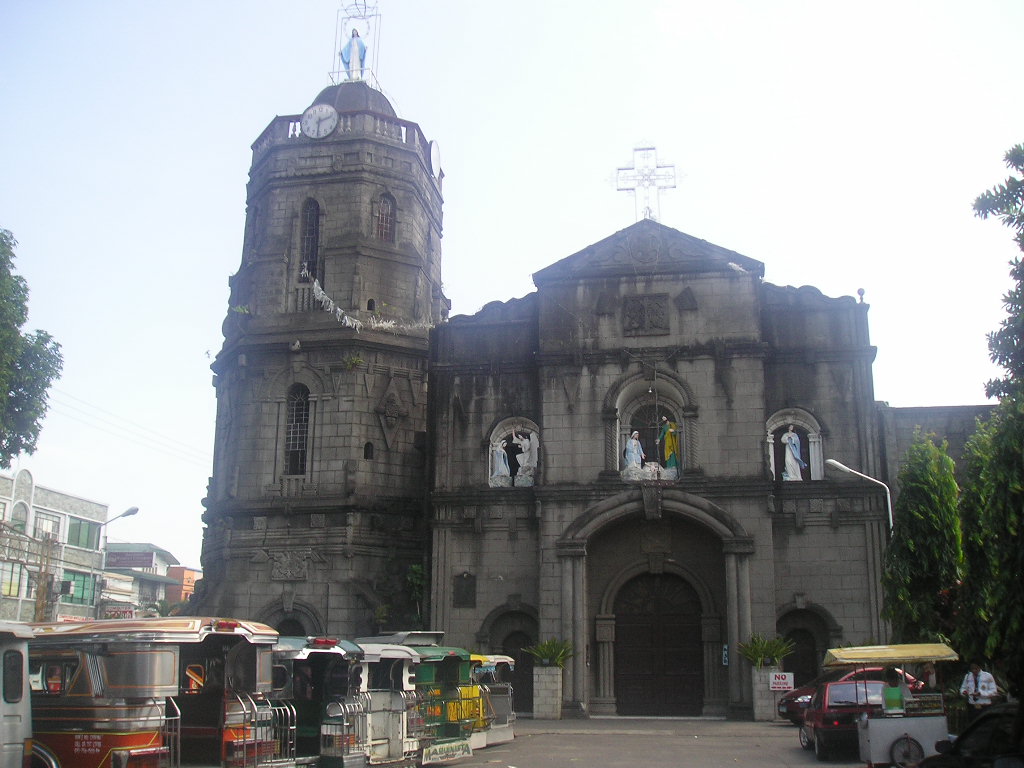
A short walk from Revillen Street is the church of Sta. Ana that is dedicated to the Our Lady of the Abandoned. It was the first Franciscan mission outside the walls of Intramuros. The first church was built of light materials in 1578 that was replaced by a stronger building in 1599. Fr. Vicente Ingles (OFM) initiated the building of the present church in 1720. It was restored in 1977 under the supervisions of Arch. Juan Nakpil and Engr. Arturo Manalac. On 8 May 1975, my future wife was baptized in the church. She remembered their house in Sta. Ana as along an estero in Sampaloc Street, near the Sta. Ana Race Track and the Delpan Bridge. Many years later, my brother and I will flee the wrath of Kid Buntal for failing to finish high school and took refuge in Lilop’s house in Sta. Ana.

Wednesday, August 09, 2006

THE LAGUNA LAKE LOOP

The Laguna lake loop offers plenty of interesting and magnificent colonial churches for churchopiles. The trip can be done in one day but I did mine 3 times during trips to the Bicol region and Quezon province --- one via Lucban in Quezon, the next via Angono in Rizal, and the last one via Los Banos, Laguna. Personally, the best starting point should be a pilgrimage to the shrine of the Nuestra Senora de la Paz y Viaje in Antipolo, Rizal (to be discussed in another posting). Chronological along this route are the old churches of Morong, Baras, and Tanay in Rizal which is a national heritage site; and Mabitac, Pakil, Paete, Pagsanjan, Lumban, Sta. Cruz, Pila, Bay, Los Banos, Calamba, and Sta. Rosa in Laguna:

MORONG, RIZAL. The church of San Geronimo was started to be built in 1615 mostly by Chinese craftsmen under the supervision of Fr. Blas de la Madre. The beautiful bell tower and intricate façade --- acknowledged to be the most beautiful and the tallest to be made by the Franciscans --- was built by Bartolome Platino of Paete under the supervision of Fr. Maximo Rico (OFM) between 1850 and 1853. The church has been declared as a national treasure.


BARAS, RIZAL. The first church was built by the Franciscans in 1595. The town was handed to the Jesuits in 1616 who relocated the church to a place called Ibayo in 1636. After the Jesuits left in 1679, the church was returned to its old site in 1682. The present church, dedicated to San Jose, was built in 1686.


National Heritage Site: Via Crucis and Retablos

Tanay used to be a small village of what is then Monte Tan-ay under the jurisdiction of Pililla. A church was built, probably of light materials, when it was established as an independent parish in 1606. A new church was probably built when the town was relocated to what was then San Antonio in 1620. The town was moved to its present site in 1640 after it was razed by fire during the Chinese uprising. A stone church was then built and completed in 1680. This was demolished due to its deterioration and replaced by the present church (dedicated to San Ildefonso) that was started to be built in 1773 probably by Fr. Ildefonso Petanes (OFM). The church underwent repair works in 1851. The church features a Via Crucis (i.e. Way of the Cross) with remarkable indigenous motifs and a five-panel Rococo retablo. The National Commission on Culture and Arts had declared it as a national heritage site. During the Philippine revolution against Spain and the Filipino-American War, Tanay's Rawang Pass and Kalinawan Plateau are known strongholds of the Filipino revolutionaries.


MABITAC, LAGUNA. The first church was probably built at around 1615 when an image of the Nuestra Senora de la Candelaria --- brought from Mexico and venerated throughout the province of Laguna --- was enshrined. There are no records on who built the present church that was damaged during the earthquake of 1880. Fr. Antonio dela Fuente (OFM) had it repaired only to be destroyed during the 1937 earthquake. Only the bell tower is left of the original structure. A 96-step stairway leads to the church and a panoramic view of Laguna de Bay.


PAKIL, LAGUNA. Construction on the present church (dedicated to San Pedro de Alcantara) started in 1732 under the supervision of Fr. Fernando Haro (OFM). In 1788, the Virgin of Turumba was enshrined in the church. It was repaired in 1852 after suffering damages from a fire, and rebuilt in 1881 after it was damaged by an earthquake.


PAETE, LAGUNA. The mission of Paete was established by Fr. Juan de Plasencia (OFM) in 1580. The first church was built in 1602. Another church was probably constructed in 1646 that was rebuilt in 1717 and again in 1840. This was destroyed during the 1880 earthquake and was again rebuilt in 1884 under the supervision of Fr. Pedro Gallano (OFM). The church, dedicated to Santiago Apostol, was again damaged during the 1937 earthquake and was immediately reconstructed.


PAGSANJAN, LAGUNA. In 1687, Fr. Agustin de la Magdalena (OFM) had the first church of light materials built. This was replaced by the present church of the Nuestra Senora de Guadalupe that was constructed in 1690 under the supervision of Miguel Guna-co and Alguacil Mayor Alfonso Garcia. The church was damaged during World War II and has been repaired.


LUMBAN, LAGUNA. The Franciscans probably established the mission of Lumbang in 1578. On the same year, Fr. Juan de Plasencia (OFM) initiated building the first church that was later destroyed by fire. A new church --- dedicated to San Sebastian --- was completed at around 1600 by a native Filipino called Burlon and was the first to be built of stone in Laguna. Lumban used to be the center of all missionary activities in Laguna. From 1606 to 1618, a rest house for sick Franciscan missionaries was maintained there. The church was seriously damaged by the 1880 earthquake and was repaired.


STA. CRUZ, LAGUNA. In 1608, a stone church was built during the administration of Fr. Antonio de la Llave (OFM). In 1790, Fr. Miguel Perciva (OFM) enlarged the church that was dedicated to the La Imaculada Concepcion. This was destroyed during the 1880 earthquake and was reconstructed during the administrations of Fr. Martin de Vidales (OFM) and Fr. Gregorio Ercilla (OFM) from 1881 to 1883. The church was burned down in 1945 and was rebuilt in 1948.


Sta. Cruz is the birthplace of my father-in-law. Like my father, he moved a lot: in Sta. Ana in Manila, in Cebu City, before finally settling down in my mother-in-law’s hometown of Talavera, Nueva Ecija where he died (my father died in my mother’s hometown of Bambang, Nueva Vizcaya). I only met him through my in-laws’ stories and a cut-out picture that my wife keep. He is a relative of Andres Manambit --- a local hero in Laguna who’s life has been made into a film starring Eddie Garcia.


PILA, LAGUNA. The Franciscans were already in Pila by 1606 when they put up a printing press that was supervised by Tomas Pinpin and Domingo Loeg. The first church was built in 1618. To avoid the frequent floods, the town was relocated to its present site in 1800 where a new church was built. The present church (dedicated to San Antonio de Padua) was built in 1849 under the supervisions of Fr. Antonio Argobejo (OFM) and Fr. Domingo de Valencia (OFM).


BAY, LAGUNA. The church dedicated to San Agustin was probably built in 1864 during the administration of Fr. Geronimo Hervas (OFM) and Fr. Pedro Moya (OFM) after the town was relocated to its present site. It was destroyed during World War II and was rebuilt in 1953.


LOS BANOS, LAGUNA. A hospital chapel served as the town’s first church from 1613 until 1727. Fr. Domingo Mateo started building what is probably the present church in 1790. This was destroyed during the earthquake of 1863 and was repaired in 1880 under the supervisions of Fr. Manuel Rodriguez and Fr. Gilberto Martin. The church (dedicated to the La Imaculada Concepcion) was probably damaged again during the 1880 earthquake and subsequently restored.


CALAMBA, LAGUNA. Calamba is popularly known as the birthplace of the Philippines’ national hero --- Dr. Jose Rizal --- who was baptized in the church of San Juan Bautista by Fr. Rufino Collantes in 22 June 1861. There are no records on when and who built the church. During World War II, the fleeing Japanese soldiers herded Calamba’s residents inside the church and then burned it. Fr. Eliseo Dimaculangan, the parish priest during what is now known as the Calamba Massacre, had the church rebuilt after the war. Just across the street is the Rizal house that was restored through funds donated by Filipino school children and under the supervision of National Artist for Architecture Juan Nakpil.


STA. ROSA, LAGUNA. Sta. Rosa was established by the Dominicans as an independent parish in 1792. It took 16 years to build the church from 1796 until 1812. The image of the patron saint (i.e. Sta. Rosa de Lima) enthroned in the church was a gift from the ambassador of Peru to the Philippines who brought the image in 1999. The church has been renovated several times.


Sta. Rosa is one of Uncle Kidlat’s last assignment before he retired from the military service. I visited him once in their camp located in the middle of a sugarcane field. He was mad because he was ordered to join a night patrol despite his senior status as the Battalion First Sergeant and his impending retirement.

REFERENCES

I was introduced to Philippine colonial churches by Regalado Trota Jose’s “Simbahan: Church Art in Colonial Philippines, 1565-1598” that was recommended to me by Oyet. It is a beautifully illustrated and well researched red-covered book that ignited the churchopile in me. The book is a must for Spanish-era church researchers. It is available in selected bookstores only and I bought mine at the Los Filipinos Bookshop at the Ayala Center in Makati.


Oyet also introduced me to F. Sionil Jose and his Rosales saga (i.e. Po-on, Tree, My Brother My Executioner, The Pretenders, Mass) that inspired my attempt at creative non-fiction and the search for my roots and past. I am slowly building a section of F. Sionil Jose in my small library.

Most of my materials on Augustinian-built churches are taken from Pedro G. Galende’s (OSA) “Angels in Stones: Augustinian Churches in the Philippines” --- a fine, comprehensive and illustrative book on Augustinian church building history. It is available at the San Agustin Museum, the Popular Book Store, and at the Tradewind Books in Intramuros where I brought mine at a discounted price. Interesting and surprising local history was also provided by the Ilocos Norte travel guidebook published by the Ilocos Norte provincial government and sold at the provincial museum. I wish every province should have one.


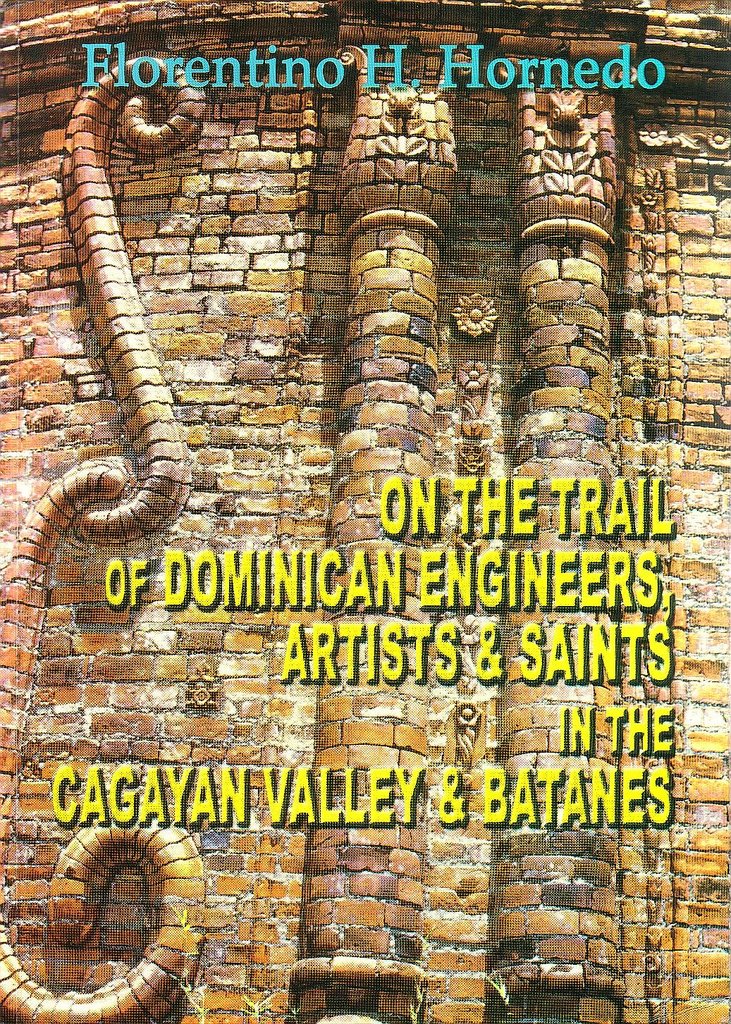
I mined Pedro V. Salgado’s (OP) “Cagayan Valley and Eastern Cordillera, 1581-1898” and Florentino H. Hornedo’s “On the Trail of Dominican Engineers, Artists and Saints in the Cagayan Valley and Batanes” for interesting and informative tidbits on Dominican church building history. Salgado’s book consisting of 2 volumes and that of Hornedo is available at the Popular Bookstore in Timog Avenue.


Emmanuel Luis A Romanillos’ “The Augustinian Recollects in the Philippines: Hagiography and Story” provided some details on the church building activities of the Augustinian Recollects. It is available at the La Solidaridad Bookshop in Padre Faura where I found my copy.

Valuable information were also sourced from the following general references: the National Historical Institute’s “Historical Markers: Regions I-XII and the National Capital Region” (available at the NHI library), Norma I. Alarcon’s “Philippine Architecture During the Spanish and Pre-Spanish Periods” (I got my copy from Tradewind), and the website of the National Commission on Culture and Arts and its brochure on national heritage sites.


My hero Nick Joaquin provided the social and historical context of this work mainly through his “Culture and History” which is a must read for Filipiniana fanatics. The book gave me a refreshing perspective on the evolution of the Filipino as a people and as a nation. His “Manila, My Manila” and “A Question of Heroes” are also guaranteed to be fine reading.

I am greatly indebted to these authors and institutions who made this endeavor much easier. I consider them part of whatever this work might accomplished. All errors, however, are mine alone.

Wish List

Its distressing for me to have so few references on those fine Franciscan churches except what I can glean from the NHI’s books on historical markers and the website of the Franciscan archives. A burning desire (but mostly a dream) is to one day write a book about them. Someday, I will find the time to finally visit their archive in San Jose del Monte, Quezon City which is just a long walk from our national office. I also long to have a copy of Rene Javellana’s “Wood and Stone for God’s Greater Glory: Jesuit Art and Architecture in the Philippines” and “Great Churches in the Philippines” but these books seem to be out of print and stock. My wish list also include Alicia M.L. Coseteng’s “Spanish Churches in the Philippines”, John Schumacher’s “Reading in Philippine Church History”, Gerald Anderson’s “Studies in Philippine Church History”, the National Media Production Center’s “Philippine Churches”, and Pablo Fernandez’s “History of the Catholic Church in the Philippines”.

What will I give for these books…